Joined by Flame: Brazed Aluminium Made by Hand
A straight aluminium profile is easy to trust. Its whole length is visible, and any fault shows at once. A corner is different. Where two profiles meet, the eye looks for one continuous form. The joint is the single place where the making either disappears into that form or interrupts it. Most of what I care about at the bench happens in that small area.
What the joint inherits
By the time two pieces meet, much of the work is already done. The aluminium arrives raw. Before a new lamp is started, I level and finish every profile by hand. I begin with coarse grits and move step by step to finer ones until the profiles are level and the surfaces uniform. Only then do I cut, using a small circular saw with a 130 mm blade for the precision cuts. A joint cannot correct a profile that is uneven or a cut that wanders. It can only reveal them.
Why a flame and not a machine
After cutting, I join the elements by brazing. The atelier does not use modern TIG welding machines.
Flame brazing keeps my hand at the speed of my eye. I watch the metal while I work on it, and the joint advances only as fast as I can follow it. A machine would make the gesture quicker and more repeatable. I prefer a method in which each joint asks for its own attention, because the pieces are made in limited series, one at a time.
The work that follows the flame
Brazed aluminium is not finished when the flame is put down. Once every element is assembled, the pre-painting phase begins. I clean the piece of every residue left by brazing, then check it by eye. This is slow work, and it belongs to the joint as much as the flame does. Painting starts only afterwards, with a special primer for aluminium, and every piece ends with a matte finish with a sandblasted effect.
A narrow section leaves no margin
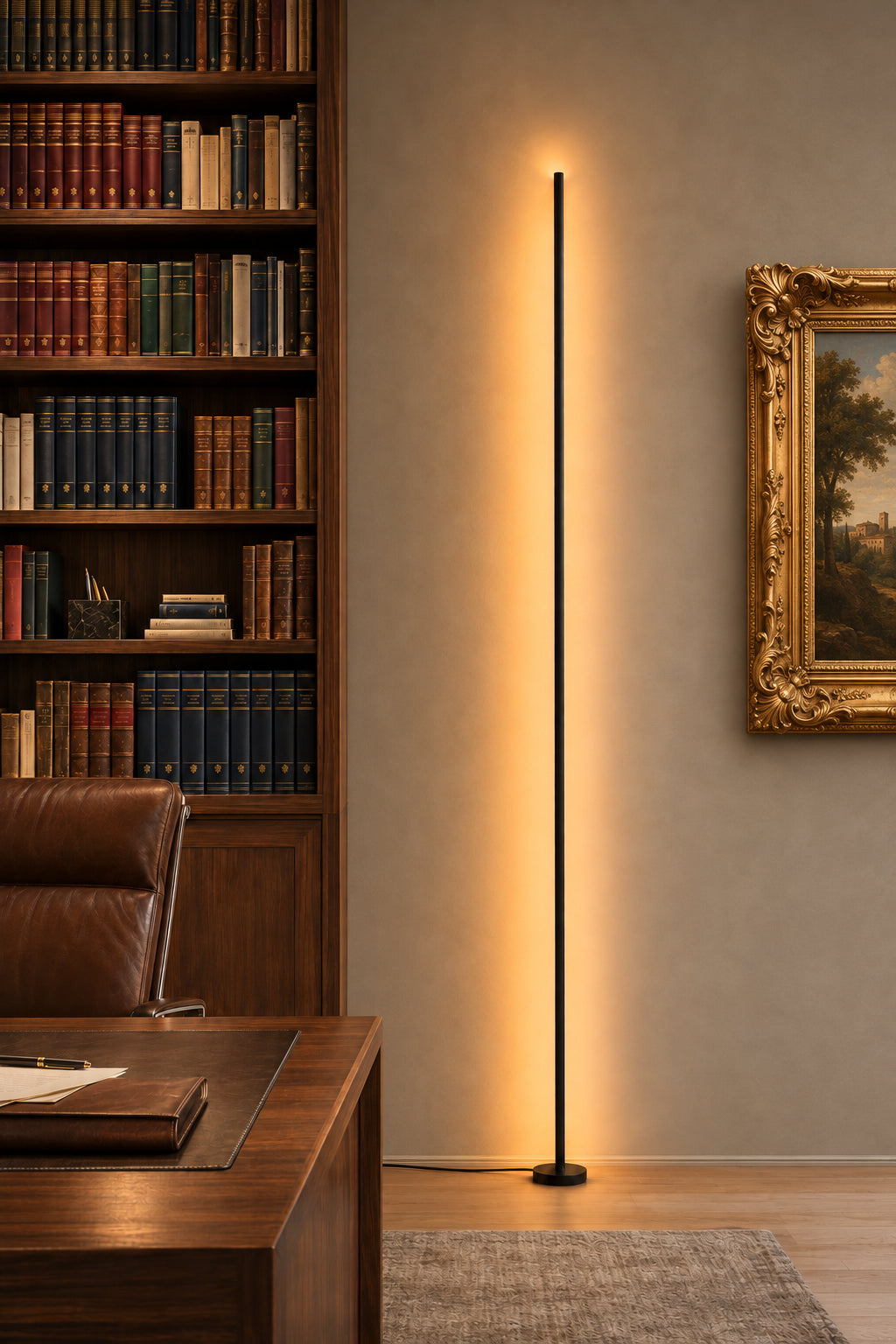
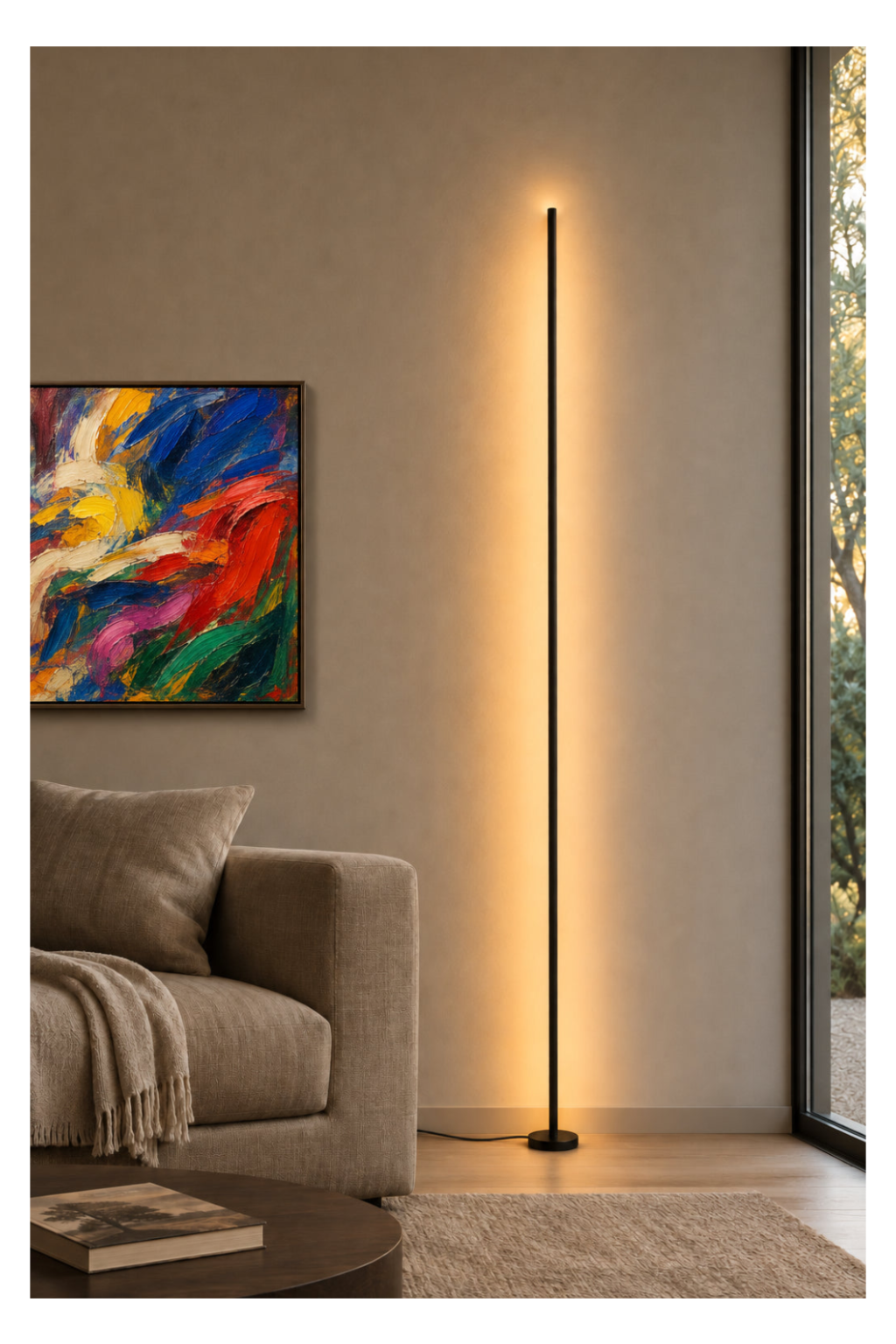
Proportion makes all of this more exacting. The Gica Contra Floor Lamp 150 stands 1500 mm high on a 20 × 20 mm sandblasted aluminium profile. On a section that narrow, a joint has almost no surface in which to soften a mistake. The care taken at the bench either holds the line or breaks it. Each piece is handmade in Europe. Small variations that remain under the finish are not defects, but the visible trace of the hand that made it. A badly cleaned joint is something else, and it does not leave the bench.
Seen from close by
From across a room, a joint is invisible. It becomes legible only at arm's length, when someone moves the piece beside a chair or stands near it while the warm 2700K light is on. The matte surface and that light are what the joint will finally be seen in. For this reason, an object joined this way deserves a place where people can come close to it, rather than a corner no one approaches. Read more on where to place a sculptural floor lamp and how to choose the right one for your space.